


Bring your mission to the front of the exhibit.
Browser-based augmented reality places conservation stories, scientific context, and interpretation directly onto your habitats, exhibits, and trails. Experienced using the phone every visitor already has. No signage buildouts. No installed infrastructure. Nothing altered about the environment you exist to protect.
Every habitat has a story the signage can't tell.
What they don't see is that the Eastern Indigo Snake in front of them is part of a Species Survival Plan: the institution is raising indigos to be released back into the longleaf pine ecosystem where the species has functionally disappeared. Or that the live oak at the overlook is part of a restoration project a century old. Or that the small bird at the feeder was, until recently, thought to be locally extinct.
Conservation institutions live with this gap constantly. The research behind the enclosure. The conservation program behind the animal. The ecological reason a specific plant is where it is. Most of it never reaches the visitor standing three feet from it.
Browser-based AR places that context where visitors are already stopping to look. A visitor scans at an exhibit, overlook, or trailhead and encounters scenes built into the location, like a recovery story at the indigo enclosure, a restoration timeline at the live oak, a birdsong identification at the feeder. The experience lives on the phone the visitor is already holding. The habitat doesn't change.
What visitors encounter.


Species Context
Video, imagery, and educator notes placed beside the animal, plant, or ecosystem a visitor is looking at. Deeper education made available to every visitor whether or not staff is present.


Conservation Programs
The Species Survival Plan, the field work, the reintroduction effort, surfaced at the habitat where it's happening. The conservation story your mission depends on, front and center.

.png)
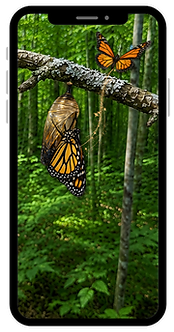
3D Life Stages
A juvenile form, a seasonal morph, an ancestor species, a habitat as it once existed. Show your visitors the version they can't see today.


Ecosystem Depth
The plant community, the soil profile, the bird call, layered onto the ecosystem in front of them. The invisible context that makes a habitat an ecosystem.
What your conservation institution gets.
Deeper connection to conservation mission
Grant-defensible engagement data
Interpretation that scales without staffing
No alteration to the existing space